Category: Blog
-
Our #1 Tip for Small Business Owners? Watch this edition of 2-Minute Bookkeeping to find out!
-

Why Are Non Profit Agencies Tax Exempt
Nonprofit organizations, also known as tax-exempt organizations or 501(c)(3) organizations in the United States, enjoy tax-exempt status for several reasons, primarily because of the valuable services they provide to the community and the government’s recognition of their contributions to the public good. Here are some key reasons why nonprofit agencies are granted tax-exempt status: Promotion […]
-

A Guide To Sending Out 1099s
Sending out 1099 forms is an important tax-related task for businesses in the United States. These forms are used to report payments made to non-employee service providers, independent contractors, and other individuals or entities. Here’s a business guide to sending out 1099s: Determine Who Needs a 1099: Identify all individuals or entities to whom your […]
-

All About Owners Equity
Owner’s equity, also known as shareholders’ equity or stockholders’ equity in the context of corporations, represents the residual interest in the assets of a business entity after deducting liabilities. It’s essentially the owner’s or shareholders’ claim on the company’s assets. Owner’s equity is a crucial concept in accounting and finance, as it reflects the net […]
-
Job order costing vs process costing
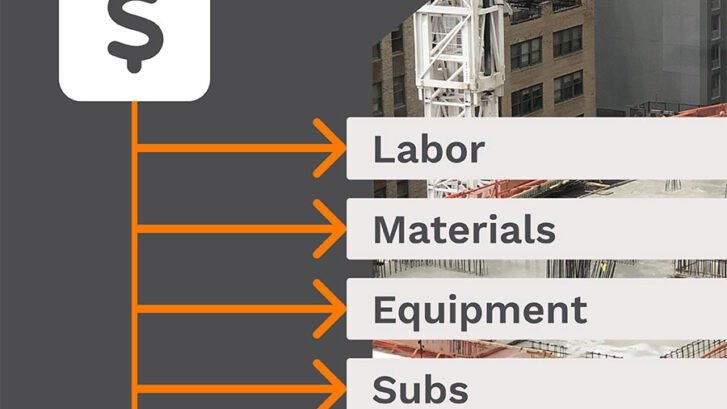
Job order costing and process costing are two distinct methods used in accounting and cost management to allocate costs to products or services. They are particularly relevant in industries where products or services are produced or customized in different ways. Here’s a comparison of job order costing and process costing: Job Order Costing: Nature of […]
-

What is the difference between a ledger and a simple journal entry?
A ledger and a simple journal entry are both important components of the double-entry accounting system, but they serve different purposes and have distinct characteristics. Here’s an overview of the key differences between the two: Journal Entry: Purpose: A journal entry is the initial record of a financial transaction in accounting. It is used to […]
-

What is a Business Tax Code?
A business tax code typically refers to a set of rules, regulations, and tax laws that govern how businesses are taxed by the government. It outlines the specific tax obligations and responsibilities that businesses must adhere to, including how they calculate, report, and pay their taxes. The term “business tax code” is often used interchangeably […]
-

Recording charitable contributions in bookkeeping
Recording charitable contributions in bookkeeping involves accurately documenting donations made by your business to qualified nonprofit organizations. These contributions may be eligible for tax deductions, so proper record-keeping is crucial. Here’s how to handle charitable contributions in your bookkeeping: Identify Qualified Charities: Ensure that the organizations you donate to are recognized as qualified charitable organizations […]
-

Tips on tax reduction for businesses
Reducing taxes for your business legally and ethically is a sound financial strategy that can increase your profitability and cash flow. Here are some tips on tax reduction for businesses: Choose the Right Business Structure: The structure you choose for your business (e.g., sole proprietorship, partnership, corporation, LLC) can significantly impact your tax liability. Consult […]
-

What is a Journal Entry?
A journal entry is a fundamental accounting record used to track and document financial transactions within a business. It’s the first step in the double-entry accounting system, which is widely used in accounting to maintain accurate and balanced financial records. Each journal entry consists of at least two parts: a debit and a credit. Here’s […]