Tag: accountant
-

Beneficial Owner Information (BOI) Reporting
Beneficial Owner Information (BOI) Reporting refers to the requirement for certain entities (such as companies, trusts, or other legal structures) to disclose information about the individuals who ultimately own or control them, known as beneficial owners. In many jurisdictions, regulations require businesses to report the identities of their beneficial owners to prevent money laundering, terrorism […]
-
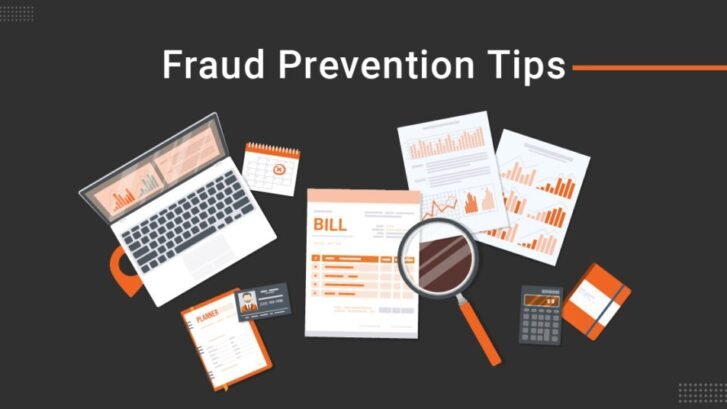
Preventing Expense Fraud
Preventing expense fraud is critical for protecting your business’s financial health and ensuring that employees or contractors don’t take advantage of loopholes in the system. Expense fraud can take various forms, such as inflating expenses, submitting fake receipts, or making personal expenses appear as business-related. Here are 5 key steps you can take to prevent […]
-

End-of-Month Bookkeeping Checklist
End-of-Month Bookkeeping Checklist End-of-month bookkeeping refers to the process of reviewing, reconciling, and finalizing a business’s financial records at the end of each month. This routine practice ensures that all financial transactions for the month are accurately recorded, accounts are balanced, and financial reports are prepared. Completing these tasks regularly helps maintain accurate records, provides […]
-
IMPORTANCE OF BOOKKEEPING
IMPORTANCE OF BOOKKEEPING Bookkeeping is the systematic recording and organizing of financial transactions in a business. It’s a crucial part of the accounting process and involves various tasks and principles to ensure accuracy and compliance. Here are some key points about bookkeeping: Basic Principles Double-Entry System: Every financial transaction affects at least two accounts and […]
-

Quarterly Estimated Tax Payments
Quarterly estimated tax payments are payments made to the IRS and, in some cases, to state tax authorities, on a quarterly basis to cover your tax liability for the year. These payments are typically required for individuals and businesses that do not have taxes withheld from their income, such as self-employed individuals, freelancers, and business […]
-

Common Bookkeeping Mistakes and How to Avoid Them
Common Bookkeeping Mistakes and How to Avoid Them Bookkeeping is a crucial part of running a business, but it’s easy to make mistakes that can lead to financial inaccuracies and potential legal issues. Here are some common bookkeeping mistakes and tips on how to avoid them. 1. Not Keeping Receipts Mistake: Failing to keep receipts […]
-
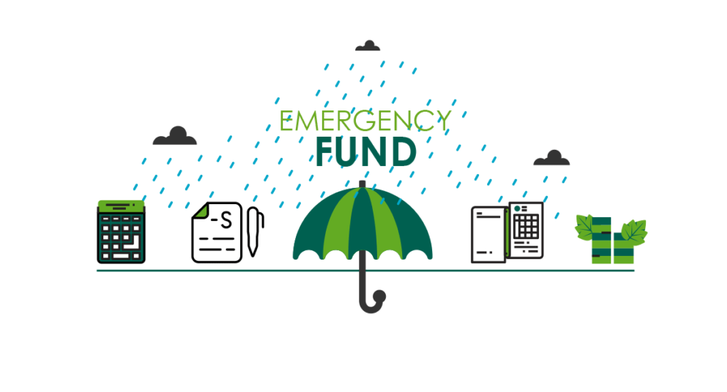
What is an Emergency Fund?
What is an Emergency Fund An emergency fund is a savings account that is set aside specifically for unexpected events or emergencies. It’s money that you can access quickly when you need it most, without having to borrow money or sell your assets. In this blog post, we’ll explore what an emergency fund is, […]
-

Managing Cash Flow
Managing Cash Flow Managing cash flow is critical for the success of any business. Cash flow refers to the movement of cash in and out of a business, and it is essential to maintain a positive cash flow to ensure that the business can pay its bills, invest in growth, and remain solvent. In this […]
-

Can a bookkeeper prepare payroll?
Can a bookkeeper prepare payroll? A bookkeeper can play a vital role in the payroll process for a business. Payroll is the process of paying employees for their work, and it involves a lot of different tasks such as calculating employee pay, withholding taxes, and making sure that employees are paid on time. A bookkeeper […]
-

What makes a good bookkeeper?
A good bookkeeper possesses a combination of skills, qualities, and knowledge that enable them to effectively manage financial records and transactions. Here are some key attributes that make a good bookkeeper: Attention to detail: Bookkeeping requires meticulous attention to detail to ensure accuracy in recording financial data and transactions. Organizational skills: A good bookkeeper must […]